
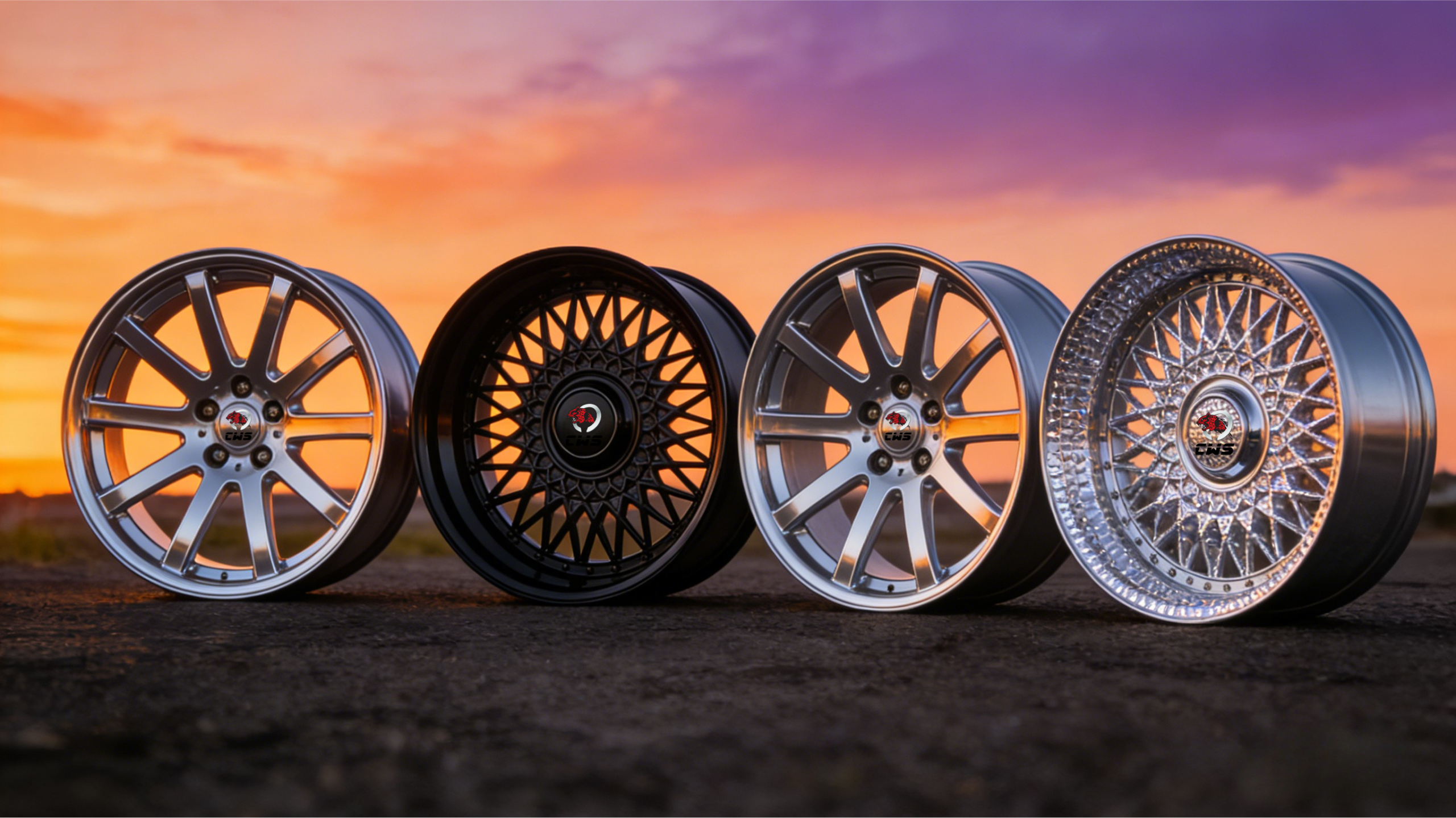
In the world of automotive upgrades and OEM configurations, alloy wheels have become the gold standard, blending aesthetic appeal with unparalleled performance.
As Google search data reveals, consumer interest in alloy wheels continues to rise, with forged alloy wheel, lightweight alloy wheel, and aftermarket alloy wheel emerging as the most searched terms—reflecting a growing demand for high-quality, functional, and stylish wheel solutions. Whether you’re upgrading your vehicle for better performance, enhancing its visual appeal, or selecting the right alloy wheels for your needs, this guide covers everything you need to know about alloy wheels, from their benefits and types to seasonal trends and maintenance tips.
What Are Alloy Wheels? A Foundation of Strength and Style
Alloy wheels are crafted from a blend of metals—primarily aluminum, combined with small amounts of magnesium, silicon, or manganese—to create a wheel that outperforms traditional steel wheels in nearly every category. Unlike steel wheels, which are heavy and limited in design, alloy wheels offer a perfect balance of strength, lightness, and versatility. This unique composition is why alloy wheel searches consistently rank high, as drivers seek solutions that enhance both their vehicle’s performance and appearance.

The core advantage of alloy wheels lies in their lightweight nature. On average, an alloy wheel is 30% lighter than a steel wheel of the same size, reducing unsprung weight—the mass not supported by the vehicle’s suspension. This reduction translates to better acceleration, improved fuel efficiency, and more responsive handling—key factors that make lightweight alloy wheel a top search query for performance-focused drivers.
Popular Types of Alloy Wheels: Exploring Your Options
Google search trends show distinct peaks in interest for different types of alloy wheels, with seasonal variations that align with automotive upgrade cycles. Understanding these types will help you choose the perfect fit for your vehicle and goals.
1. Forged Alloy Wheels: Strength Meets Performance
A top search term year-round, forged alloy wheel is favored by enthusiasts and professionals alike for its exceptional strength and durability. Forged alloy wheels are created by compressing a solid block of aluminum alloy under extreme pressure, eliminating air bubbles and impurities to create a dense, robust structure. This process makes them up to 1.5 times stronger than cast alloy wheels, while remaining lightweight. Google search data shows interest in forged alloy wheels peaks in February and July, coinciding with spring and summer automotive upgrades—ideal for drivers looking to enhance performance for warmer-weather driving.
Leading manufacturers, such as Alcoa, have innovated forged alloy technology with patented materials like MagnaForce® alloy, which is 17% stronger than the industry-standard 6061 alloy. This advanced material allows for even lighter wheels without compromising strength, making them a top choice for trucks, high-performance cars, and aftermarket upgrades.
2. Cast Alloy Wheels: Affordability and Versatility
Cast alloy wheels are the most common type, produced by pouring molten alloy into a mold to create intricate designs. They are cost-effective, making them the go-to option for OEM vehicles and budget-conscious upgrades. While not as strong as forged alloy wheels, cast alloy wheels still offer significant advantages over steel wheels, including better heat dissipation and a wider range of style options. Their popularity is evident in consistent search volume, as drivers seek affordable ways to upgrade their vehicle’s appearance and performance.
3. Aftermarket Alloy Wheels: Customization and Personalization
Aftermarket alloy wheel is another high-volume search term, with interest spiking in October—likely tied to end-of-year vehicle maintenance and holiday-related upgrades. Aftermarket alloy wheels offer endless customization options, from sizes (15 to 24 inches and beyond) to finishes (polished, painted, chrome, or diamond-cut) and designs (concave, multi-spoke, or racing-inspired). Whether you’re looking to match your vehicle’s aesthetic or stand out on the road, aftermarket alloy wheels provide the flexibility to create a unique look while improving performance.
Key Benefits of Alloy Wheels: Why They’re a Smart Investment

Beyond their visual appeal, alloy wheels offer a range of practical benefits that drive their high search volume. Here’s why drivers around the world choose alloy wheels over traditional steel options:
- Improved Fuel Efficiency: The lightweight design of alloy wheels reduces vehicle weight, lowering fuel consumption. Studies show that a 10% reduction in wheel weight can improve fuel efficiency by 2-3%—a significant saving over time.
- Enhanced Heat Dissipation: Aluminum alloy has a thermal conductivity three times higher than steel, allowing alloy wheels to dissipate heat from the braking system more effectively. This reduces the risk of brake fade, improving safety during high-performance or long-distance driving.
- Superior Handling and Stability: Reduced unsprung weight improves suspension response, making steering more precise and reducing vibration at high speeds. This translates to a smoother, more controlled driving experience, especially with performance tires.
- Stylish and Customizable: Alloy wheels come in a wide range of designs, finishes, and sizes, allowing you to personalize your vehicle’s appearance. From sleek, modern multi-spoke designs to bold, concave racing styles, there’s an alloy wheel to match every taste.
- Sustainability: Aluminum is highly recyclable—73% of all aluminum produced since 1888 is still in use today. Choosing alloy wheels aligns with sustainability goals, reducing environmental impact compared to non-recyclable materials.
Seasonal Trends in Alloy Wheel Searches: What You Need to Know
Google search data reveals clear seasonal patterns in consumer interest for alloy wheels, which can help you plan your upgrade or marketing strategy:
- Spring and Summer (February–August): Interest in forged alloy wheel and lightweight alloy wheel peaks during these months, as drivers prepare for warmer weather and performance-focused driving. This is the ideal time to upgrade to lightweight, high-strength wheels for better handling and fuel efficiency.
- Fall (October): Aftermarket alloy wheel searches spike in October, as drivers look to customize their vehicles before the holiday season. This is a popular time for aesthetic upgrades, such as new finishes or designs.
How to Choose the Right Alloy Wheels: A Buyer’s Guide
With so many options available, selecting the right alloy wheels can be overwhelming. Here are key factors to consider, based on the most common search queries and consumer needs:
- Match Your Vehicle’s Specifications: Ensure the alloy wheels you choose have the correct offset (ET value), center孔 diameter, and bolt pattern to fit your vehicle. Mismatched wheels can cause vibration, steering issues, or damage to the suspension.
- Consider Your Driving Needs: If you prioritize performance, opt for forged alloy wheel or lightweight alloy wheel options. For daily driving and affordability, cast alloy wheels are a great choice. For customization, explore aftermarket alloy wheel designs that match your style.
- Choose the Right Finish: Alloy wheel finishes include polished, painted, chrome, and diamond-cut. Consider your vehicle’s color and personal taste, as well as maintenance needs—polished finishes require more care to avoid scratches, while painted finishes are more durable.
- Select a Reputable Manufacturer: Choose alloy wheels from trusted brands that adhere to industry standards. Look for certifications like TÜV or NAD to ensure safety and quality. Leading manufacturers like Alcoa and OZ Racing offer innovative, high-quality alloy wheels backed by years of expertise.
Alloy Wheel Maintenance: Keeping Your Wheels Looking and Performing Their Best
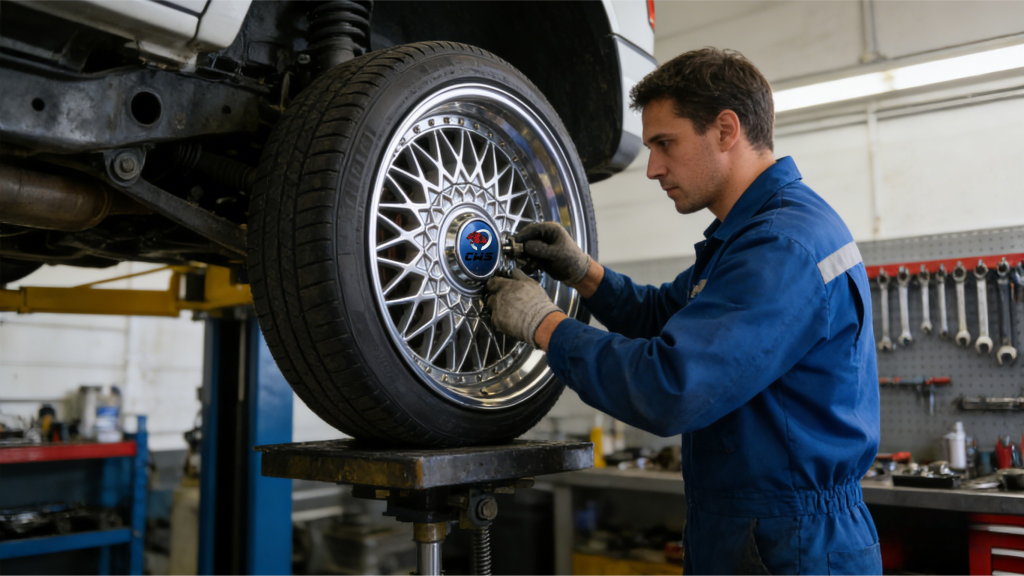
To maximize the lifespan of your alloy wheels, regular maintenance is essential. Brake dust, road salt, and debris can cause corrosion and damage, so follow these tips:
- Clean your alloy wheels regularly with a non-acidic cleaner to avoid damaging the finish. Avoid using harsh chemicals or abrasive scrubbers, which can scratch the surface.
- Rinse wheels thoroughly after cleaning to remove any残留 cleaner. Dry them with a soft cloth to prevent water spots.
- Avoid curbing or scraping your wheels, as this can damage the rim and expose the alloy to corrosion.
- Apply a protective wax or sealant to the finish to repel dirt and moisture, keeping your wheels looking new for longer.
The Future of Alloy Wheels: Innovation and Growth
The alloy wheel market is on an upward trajectory, with the aftermarket sector leading the charge. Google search trends indicate growing interest in high-performance, lightweight, and customizable options, driving innovation in materials and design. Manufacturers like Alcoa continue to push the boundaries with patented alloys like MagnaForce®, while brands like OZ Racing draw on racing technology to create wheels that deliver both style and performance.
As consumer demand for efficiency, sustainability, and personalization grows, alloy wheels will remain a key component of automotive upgrades and OEM designs. Whether you’re a performance enthusiast, a daily driver, or a business looking to enhance your vehicle fleet, alloy wheel solutions offer a perfect blend of form and function.
Ready to upgrade your vehicle with high-quality alloy wheels? Explore our range of forged alloy wheel, lightweight alloy wheel, and aftermarket alloy wheel options to find the perfect fit for your needs. Our team of experts is here to help you make the right choice—contact us today to learn more.