
Why Southeast Asia matters for Wheels, Tyres and TPMS
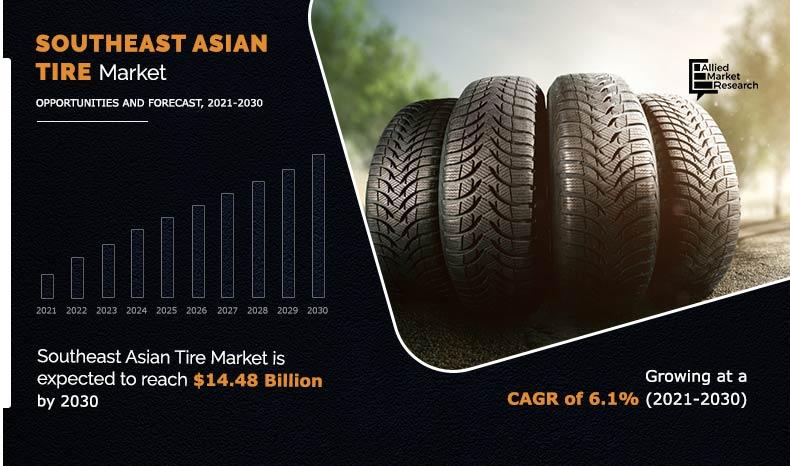
Southeast Asia is one of the fastest-growing automotive regions in the world — rising vehicle ownership (including large two-wheeler fleets), expanding local manufacturing and growing aftermarket demand are pushing tyre and wheel markets forward. Several market reports project steady growth for tyres and related components across ASEAN markets through the 2020s.
Why Southeast Asia matters for Wheels, Tyres and TPMS
Southeast Asia is one of the fastest-growing automotive regions in the world — rising vehicle ownership (including large two-wheeler fleets), expanding local manufacturing and growing aftermarket demand are pushing tyre and wheel markets forward. Several market reports project steady growth for tyres and related components across ASEAN markets through the 2020s.
Market snapshot — size, growth and crowding facts
- Tyre market growth: Regional tyre market reports estimate mid-single-digit to high-single-digit CAGRs for Southeast Asia over the next several years, driven by replacement demand, expanding vehicle parc and a rebound in commercial activity.
- Wheel aftermarket: The global wheel aftermarket is growing steadily as consumers upgrade rims for style, weight savings and EV compatibility — a trend visible in higher-income SEA cities. Research and Markets
- TPMS adoption: TPMS (tyre pressure monitoring systems) is a fast-growing category globally and in Asia-Pacific. Governments and OEMs in parts of the region (Thailand, Malaysia and others) are moving toward stricter safety standards that encourage or require TPMS, expanding the addressable market for both OE and aftermarket sensors. Global Market Insights Inc.+1
Key drivers shaping demand
- Rising vehicle ownership & two-wheeler dominance — Many SEA markets still have room to grow in car ownership; two-wheelers remain huge in Indonesia, Vietnam and the Philippines, creating high volume for motorcycle tyres as well as car tyres.
- Aftermarket maturity — Urban buyers increasingly invest in upgrades (wheels, alloy rims, premium tyres) and replacement services, including online channels and multi-brand stores.
- Fleet and logistics — Rapid e-commerce growth increases demand for commercial tyres and for fleet safety solutions (TPMS, predictive tyre maintenance).
- Regulation & safety standards — As ASEAN countries strengthen vehicle safety norms, TPMS moves from a premium option to a likely mainstream feature, especially in new passenger vehicles and higher safety segments. Global Market Insights Inc.+1
- EVs & efficiency trends — Electric vehicles demand low-rolling-resistance tyres, optimized wheel designs and sometimes different tyre sizing — an opportunity for suppliers who can certify compatibility.
TPMS — why it’s more than a sensor
- Safety & fuel efficiency: Proper tyre pressure reduces accidents and improves fuel economy — benefits that resonate with fleets and safety-conscious consumers.
- Regulatory tailwinds: Several APAC regulators have signalled or implemented TPMS requirements, creating a steady OE and retrofit market. Global Market Insights Inc.+1
- Aftermarket potential: Many older vehicles lack TPMS; retrofit kits and valve-stem-mounted sensors present an accessible revenue stream for local distributors and garages. Straits Research
Practical applications by segment
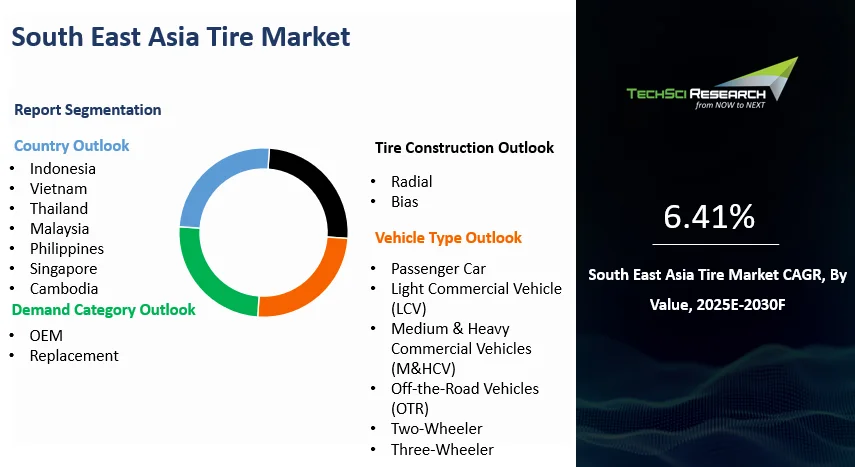
- Passenger cars (urban/affluent buyers): alloy wheels + premium tyres for appearance, comfort and EV performance. TPMS included as part of safety/tech packages.
- Two-wheelers: specialized tyres and lightweight rims; TPMS adoption here is nascent but emerging for high-end motorcycles.
- Commercial fleets & B2B: heavy truck tyres, retread services, and TPMS for uptime and predictive maintenance — big TAM for fleet operators.
- Aftermarket retailers & e-commerce: online tyre/wheel sales, installation booking, and TPMS retrofit kits are growth areas.
Challenges & risks
- Raw material price volatility (rubber) and margin pressure — producers and importers must manage supply chain and costs.
- Fragmented markets & price sensitivity — many SEA consumers favor value brands; premium adoption is mostly urban.
- Regulatory patchwork — different countries move at different speeds on TPMS mandates and safety standards; go-to-market must be country-specific. Schrader TPMS Solutions
Go-to-market ideas for suppliers & OEMs
- Segmented product lines: value tyres and wheels for mass markets; premium, low-rolling-resistance tyres for EVs and affluent buyers.
- TPMS bundles: offer sensor + installation packages to tyre retailers and fleet managers; certification/compatibility for major OEM models helps.
- Aftermarket services: partner with regional repair chains for TPMS retrofits and pro-active tyre health programs (sensors + dashboards).
- Local manufacturing / sourcing: leverage regional rubber supply and local assembly to control costs and shorten lead times.
Closing (actionable takeaway)
Southeast Asia offers solid, diversified demand for wheels, tyres and TPMS — think volume in two-wheelers and commercial fleets, and premium/tech adoption in urban passenger car segments. For suppliers, the playbook is: country-level regulatory awareness, TPMS + service bundles, and product lines that match value vs premium user segments. Global Market Insights Inc.